Back and in one piece, after my adventurous two weeks in Mongolia.
The first week I spent with the group of “Mongolia Sunrise to Sunset” for the ultra marathon (see earlier blog entries with more details). Two groups: one for the 42K and one for the 100K. I left Beijing on 30 June and arrived back in the capital Ulaan Baatar (“UB”) in the late night of 6 July. The I stayed in UB for one week to visit the city and join the “Naadam”, the National Day festivities.
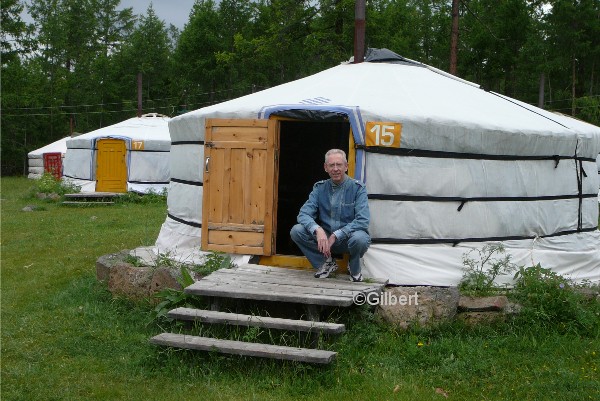
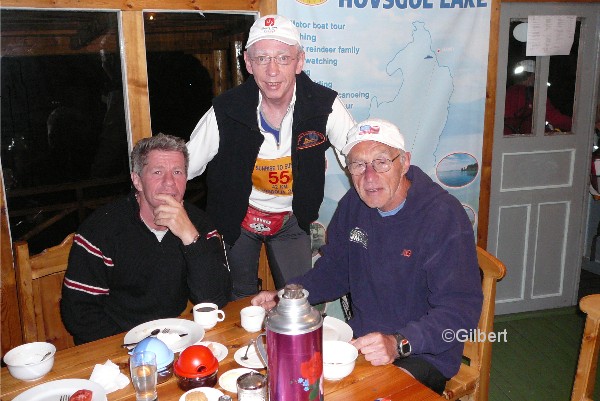
The marathon was held on the shores of Lake Hovsgol, in the northwestern part of Mongolia where we stayed in a “ger” camp “Toilogt Camp”. The ger is the typical circular tent in the country, quite comfortable, with a wood-burning stove in the middle and the chimney that goes through the middle of the roof. I shared mine with a guy from Holland who is working in Sakhalin.
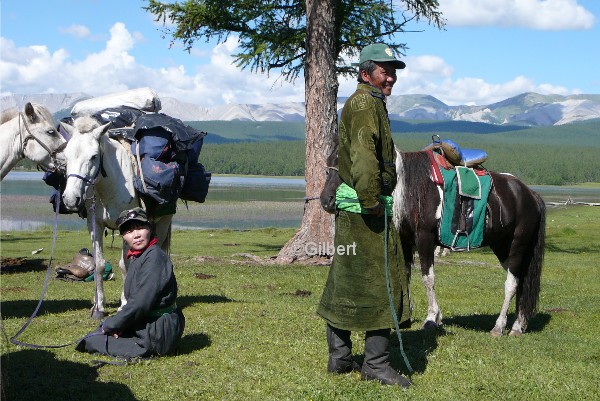
I also rode in a Russian jeep – my ger – horsemen at the camp
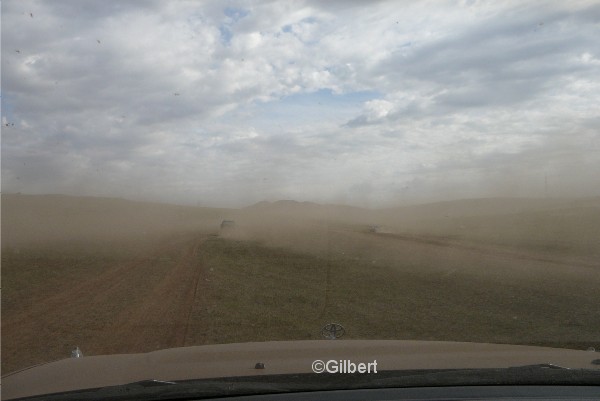
Reaching Toilogt (780 Km from UB) is a genuine back-braking trip by a Russian 4WD or jeep of about 4 to 5 hours from Moron Airport (or “Murun”) – a one hour comfortable flight from UB. The Russian 4WDs look from another century but are surprisingly well adapted to the challenging road conditions – if you can call that a road. No seat belts and speeds of up to 80K/h over gravel, potholes, river beds and dusty grassland.
Lake Hovsgol is situated in a protected natural park. The lake is magnificent and so is the scenery. Situated at an altitude of 1645 m it is one of the largest freshwater lakes: 136 Km long and 36 Km wide with depth up to 262 m – totally 2,620 sq km. It contains over 1% of the world’s fresh water and is connected to Lake Baikal (200 Km further) in neighboring Russia. All around, pine forests, grassland and bare, rocky mountains. In July, day temperatures go up to 30C, nights are fresh with lows of 5C. No problem with the red hot stoves in the gers…
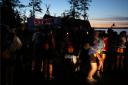
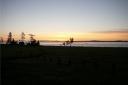
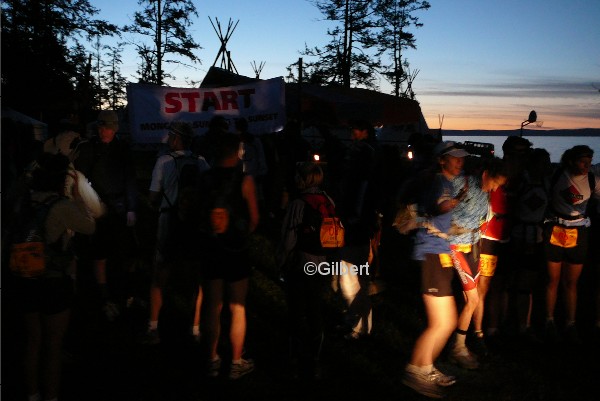
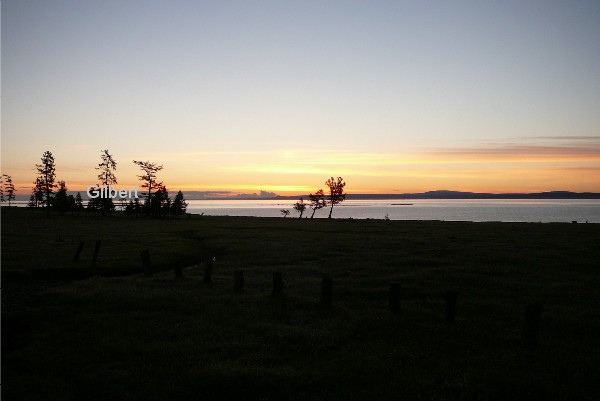
breakfast at 3:30 am – start at 4:30 am – beautiful sunrise at 5 am
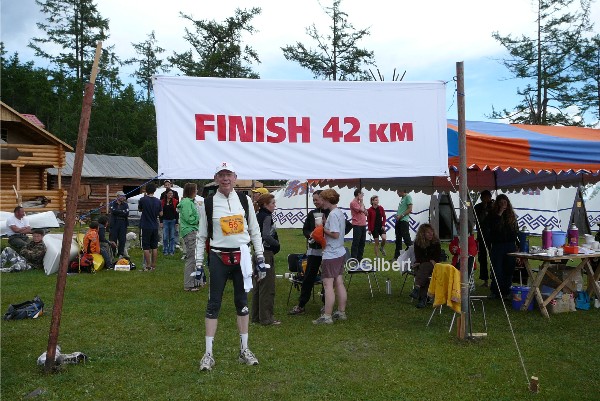
The marathon was tougher than I thought. Rocky trails, through sometimes dense forest with hardly a trail, wetlands, slippery grasslands. Two hills – the first climbing 700 m. Worst was the second one, about 500 m, where I was getting worried to lose my way. The scenery is gorgeous so I frequently stopped for pics and video and took it easy – I did not want to get hurt, sprain an ankle – easy with all the rocks, roots, pebbles. I completed the 42K with last km running, time 8h 33m. Probably next time I could do it in 8h. The race starts in darkness at 4:30 am and we ran with a flashlight through the forest. At 5 am, beautiful sunrise welcomed the runners.
Incredible were the 100K fanatics, they had a further 58K to run. Three foreign ladies finished the grueling race (one in 18 h). Results not available yet on their website.
at the top of the 1st hill – I made it! – the first 100K runners
The week in UB gave a first impression of the capital where a third (under one million) of Mongolia’s population (under 3 million) lives. The country being as large as Western Europe (over 1.5 million sq km), you can imagine how empty it is.
UB is not your friendly city, it is rather dangerous. The locals, much different from their countryside fellows, look at tourists as walking ATM. In the night many Mongolian men get drunk and love to pick a fight for no reason with any foreigner in sight. Prices are officially and unofficially different for locals and foreigners. Admission prices for tourist attractions can be ten times higher for foreigners. Restaurants and other places will take any opportunity to rip foreigners off, the police being corrupt and useless. That’s the many explanations I got from my gang of Mongolian friends who took care of me… I did see many people drunk and picking a fight. The countryside like around Hovsgol Lake is much more welcoming.
It was a very intense week. Clubbing included. In one of the upscale discos (Metropolis, at the Sky Shopping Center) the police came to close it at 2 am. No problem, we went to another well hidden but well known disco (Brilliant) where we walked out after 5 am.
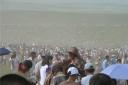
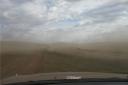
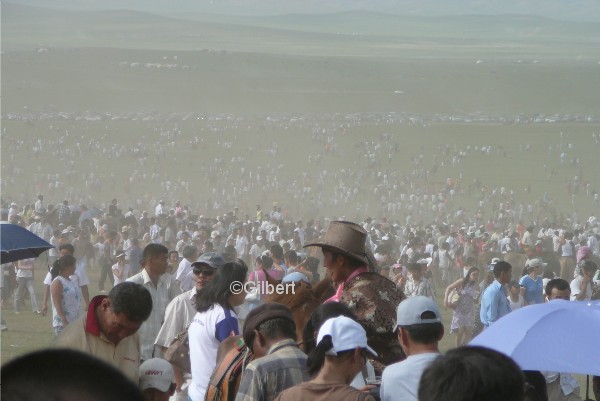
the huge crowd in the grasslands, arrival of the horsemen race – “Mad Max” racing to the location, over one hour ride from UB
Impressive was watching the arrival of the horse race in the grassland far away from UB’s center. A huge crowd and scenes that reminded me of the movie “Mad Max”. And the Ghinggis Khan Army I run into. Yes, 500 of fiery horsemen. The pics look like taken from a movie.
UB has some interesting museums, a bit old fashioned but a discovery tour in the rich history of Ghinggis Khan who was more than a blood-thirsty invader as we mostly know him. You can also find a small magazine “That’s Ulaanbaatar”, not so flashy as our “That’s Beijing” but it helped me locate some cool spots.
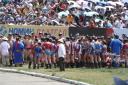
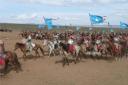
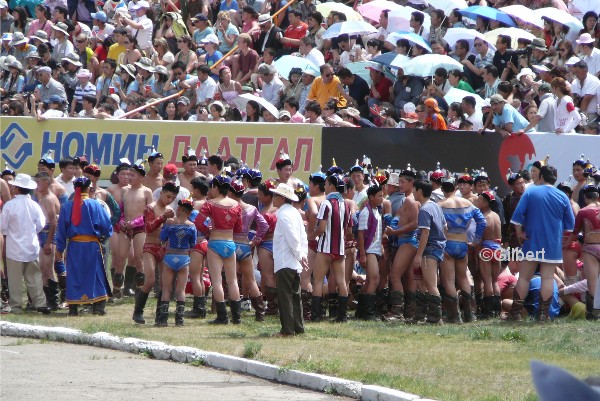
wrestlers at Naadam – the Ghinggis Khan Army
Food is soso, unless you go to one of the several nice foreign restaurants (German, Irish, etc.).
Well, so much to write about. A small book.
Click this link to see some of my 550 pics:
http://homepage.mac.com/bjprc/PhotoAlbum1.html
Enjoy!